
"Ugandan coffee production"
400 article(s) found
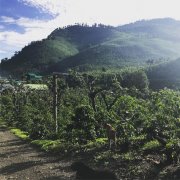
Uganda AA- Bugisu coffee beans Ugandan coffee characteristics how about Ugandan coffee
Professional baristas Please follow the Coffee Workshop (Wechat official account cafe_style) Uganda is the second largest coffee producer in Africa, but it is made up of 90% robasta beans and only 10% Arabica beans. Coupled with the political unrest in recent years, the supply of goods is not very stable. If you like, try to enjoy when you can! The smell of coffee after grinding shows that ─ smells for the first time, fragrant but not sweet, with

Description of taste and flavor of Ugandan coffee beans introduction to the production area of grinding scale varieties
Uganda coffee bean taste description grinding scale variety production area in order to improve coffee quality and reduce costs, Uganda cancelled the exclusive management right of the Coffee Management Committee (Coffee Marketing Board, referred to as CMB) in November 1990. Most of the work originally undertaken by the Coffee Management Committee has now been handed over to the cooperative organization. Made from privatized coffee.

Ugandan coffee beans with a delicate taste and unique flavor
Ugandan coffee beans have a unique flavor of delicate taste, which is very suitable for making Italian and other flavors of coffee. More importantly, Ugandan coffee beans are strictly screened according to the standards of the international market to ensure their high quality and pollution-free characteristics. Africa is the hometown of two major varieties of coffee, Arabica and Robusta, while the eastern Africa enjoys a plateau water hometown and a pearl of East Africa.
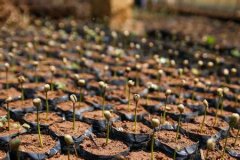
A brief introduction to the history and culture of the origin and development of Ugandan boutique coffee with mild and simple taste
Mbale on the eastern side of Mount Elgon and other producing areas on the western side near the border of the Democratic Republic of the Congo have the export name Wugar. The official ranks are Oaganic (Organic), Bugisu AA, Bugisu A, Bugisu B, Bugisu PB, Wugar, Drugar and other unlisted grades. To find a good Ugandan coffee, you must first recognize BugisuAA and A.

Quality characteristics of Ugandan Coffee Flavor description treatment; introduction to fine coffee beans with taste grinding scale
Uganda coffee beans are very suitable for making Italian and other flavors of coffee. More importantly, Uganda coffee beans are strictly screened according to the standards of the international market to ensure their high quality and pollution-free characteristics. Africa is home to two major varieties of coffee, Arabica and Robusta, while the enjoying plateau is located in eastern Africa.

A brief introduction to the characteristics of Ugandan boutique coffee varieties suggestions on the methods of brewing the flavor and taste of Ugandan coffee beans
Follow Ka Pai (Wechat official account vdailycom) found that Beautiful Cafe opened a small shop of its own. Ugandan population: 32 million area: 241038 square kilometers location: located in the Great Lakes region of Africa, bordered by Uganda and the Democratic Republic of the Congo to the west; North Sudan; Kenya in the east; South

The flavor and taste of Ugandan coffee the characteristics of fine coffee beans in the manor area introduce Ugandan coffee.
In 1890, British troops invaded Buganda. Captain Frederick Frederick Lugard, the agent of the Royal British East Africa Company (later Governor of Hong Kong Luigi), forced King Mwaanga of Buganda to sign protection treaties with him twice. In June 1894, the British government signed the New Testament with Buganda, and Buganda officially became a British protectorate. Then, in 1896, Britain extended its protection to Ukraine

Introduction to the export taste of Ugandan coffee flavor production
In Uganda (Uganda), Arabica coffee beans account for only 10 per cent of the country's total coffee production, but it is enough to attract attention. Uganda's best coffee is mainly produced in the mountains of Elgon and Bugisu along the Kenyan border in the north and Ruwensori in the west, and is available for export in January or February of each year. Red

What are the flavor and taste characteristics of Ugandan coffee beans? grinding water temperature parameters of Ugandan coffee beans
Professional coffee knowledge exchange more coffee bean information please follow the coffee workshop (Wechat official account cafe_style) front street coffee-Uganda coffee taste features Uganda is located in the source of the Nile, has the same long history as other East African countries in coffee production, but due to ethnicity

Description of characteristic and Flavor of Ugandan aa Coffee Bean introduction of Grinding scale Variety treatment Manor
Uganda aa Coffee beans Flavor description Grinding scale Variety treatment Manor Uganda coffee cultivation is one of the pillar industries of its export, Uganda is the birthplace of Robsta in Africa, just as Ethiopia is the origin of Arabica coffee, Robster coffee was first discovered in Uganda. So far, Uganda has a history of growing coffee for more than 100 years. meanwhile

Uganda Coffee, the seventh largest coffee producer in the world, what is Ugandan replicative coffee?
Professional coffee knowledge exchange more coffee bean information Please pay attention to Coffee Workshop (Wechat official account cafe_style) Uganda is located in the East African Plateau, with an average elevation of 900m, many lakes, the title of East African Plateau Water Township, across the equator and a warm climate, witnessing an ideal environment for cultivating high-quality coffee. Ugandan boutique coffee, elegant acidity, rich layers, warm and mellow

Description of Ugandan Coffee Flavor Variety production area treatment manor production area introduction
Uganda is a tropical African country with fertile soil, suitable altitude and climatic conditions, which are suitable for the growth of high-quality coffee. As early as more than a decade ago, the leaders of China and Ukraine had the intention to enhance the trade cooperation and traditional friendship between the two countries through coffee trade. In the concern and concern of the leaders of the two countries

Introduction of Ugandan coffee bean flavor manor with unique papaya flavor
The coffee growing industry in Uganda is one of the pillar industries of its exports. Uganda is the birthplace of Robsta in Africa, just as Ethiopia is the origin of Arabica coffee, while Robster coffee was first discovered in Uganda. So far, Uganda has a history of growing coffee for more than 100 years. The output ranks second in Africa, after Ethiopia. At the same time, Uganda is also a minority in Africa.

Introduction of Ugandan coffee flavor with mild soil flavor
Ugandan coffee is not a type of coffee that emphasizes rising aroma, as long as the raw beans are not and turn 100 or yellowed, they can generally have a good regional flavor, with a low ripe fruit aroma, such as the taste of red wine, and a thick mellow thickness. it is similar to some Kenyan beans with low flavor, but it also has a mild soil flavor, so it is similar to other products in East Africa in flavor characteristics.

The flavor and taste of Ugandan coffee the characteristics of fine coffee in manor area introduce Ugandan coffee.
It is well known that coffee originated in Ethiopia, the earliest Arabica variety, while Robusta originated in Uganda, both of which are from Africa. As the hometown of coffee, Africa not only has many excellent coffee varieties, but also is still one of the three largest coffee producing areas in the world. The flavor and taste of African coffee is the most complex.

The flavor and taste of Ugandan coffee beans the characteristics of the manor producing area introduce the fine coffee beans of Uganda
Ugandan coffee is mainly exported to the European Union, of which Germany, Italy and other countries are the largest buyers of coffee. The quality of Ugandan coffee: Bujisu Bugisu AA (only 4% of the country's total production) Bujisu Bugisu A Vago Wugar A (all of the above are water washing treatment) and a small amount of sun-dried bean beads Drugar Bugisu Bugisu AA in which AA said

Ugandan Coffee with delicate fragrance introduces boutique coffee
Mbale on the eastern side of Mount Elgon and other producing areas on the western side near the border of the Democratic Republic of the Congo have the export name Wugar. The official ranks are Oaganic (Organic), Bugisu AA, Bugisu A, Bugisu B, Bugisu PB, Wugar, Drugar and other unlisted grades. To find a good Ugandan coffee, you must first recognize BugisuAA and A.

The Ugandan coffee-producing countries of Elgon, the birthplace of Robusta in Africa, and Bujisu (
The coffee growing industry in Uganda is one of the pillar industries of its exports. Uganda is the birthplace of Robsta in Africa, just as Ethiopia is the origin of Arabica coffee, while Robster coffee was first discovered in Uganda. So far, Uganda has a history of growing coffee for more than 100 years. At the same time, Uganda is one of the few major countries in Africa dedicated to the production of organic coffee. In Wu

Description of taste and flavor of Ugandan coffee beans introduction to grinding scale of variety treatment method in producing areas
Uganda coffee beans taste and flavor description the processing method of Uganda coffee varieties grinding scale introduces that Ugandan coffee beans have a unique flavor of delicate flavor, which is very suitable for making Italian and other flavors of coffee. More importantly, Ugandan coffee beans are strictly screened in accordance with the standards of the international market to ensure their high quality and pollution-free characteristics. Africa is the two main varieties of coffee, Arabica and Ro.

Introduction to the characteristics of Ugandan Coffee Flavor Manor with thick and low acidity
The people of all parts of Uganda resisted the British aggression tenaciously. In 1893, Britain sent troops to occupy the Kingdom of Bunioro, and King Kabarega led some of the people to wage guerrilla warfare for six years. In 1897, King Mwaanga of Buganda raised his army against Britain and later joined Kabarega in the Rango region. In April 1899, the two kings were captured and the uprising failed. To make it easier to rule